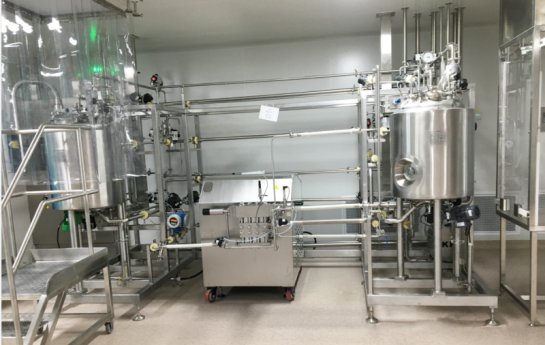
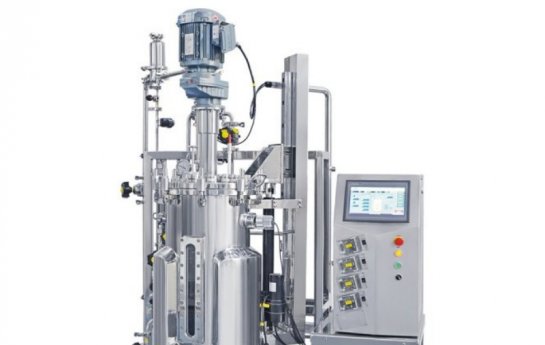
In the material processing stage of fields such as food, medicine, and bioengineering, "homogenization" is a key process that determines the quality and functionality of the product. It not only makes the particle size of the material more uniform and enhances its stability but also activates the biological activity of the effective components, endowing the product with higher market value. As the core equipment for achieving efficient homogenization, high-pressure homogenizers, with their outstanding technical performance, are becoming the "sharp weapon" for more and more enterprises to break through production bottlenecks and achieve quality upgrades.
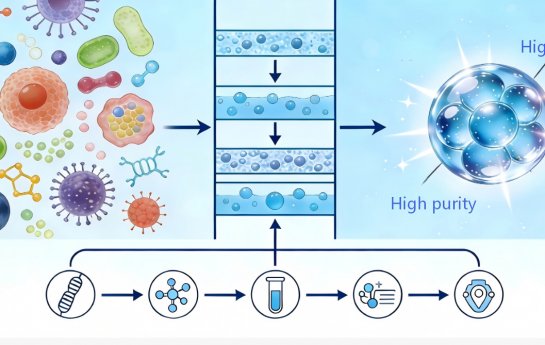
Protein, as the material basis of life, is the main carrier of life activities. For downstream processes, new ligand purification technologies are constantly being developed, which can remove various impurities in complex protein samples more safely, economically and efficiently. This paper summarizes the research status, innovative applications and development prospects of medium materials with different ligands (including hydrophobic ligands, ion-exchange ligands, mixed-mode ligands and short peptide biomimetic ligands) and protein separation technologies (including polymer grafting technology and continuous column chromatography technology), with the aim of obtaining effective resources in the protein purification process and providing references for the development of downstream purification technologies.
In the field of life sciences, the research on exosomes has gradually become a hot topic, and its influence on people's lives is also multi-faceted. From the early detection of cancer to immune regulation, the application of exosomes has permeated all aspects of medical and health care. For instance, studies have found that exosomes can carry specific miRNAs for non-invasive diagnosis of cancer; they can also help treat inflammatory diseases by regulating the immune system.
The separation and purification of proteins is a complex process. Usually, different purification strategies are adopted based on the varying properties of proteins such as size, solubility, and charge. In this article, we will introduce the basic principles and practical applications of protein purification techniques.
In recent years, with the rapid development of the biopharmaceutical industry, antibody drugs have become an important means of treating major diseases such as cancer and autoimmune diseases. In the production process of antibody drugs, purification is one of the key steps, and tangential flow filtration, as an efficient separation technology, plays a crucial role in the formulation of antibody drugs.
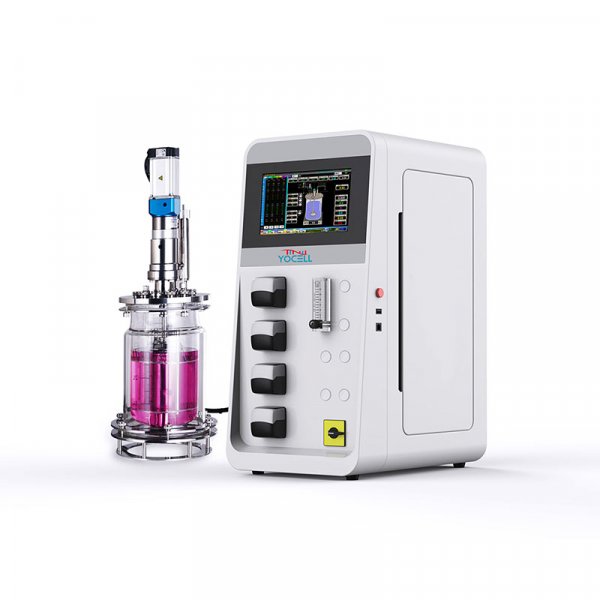
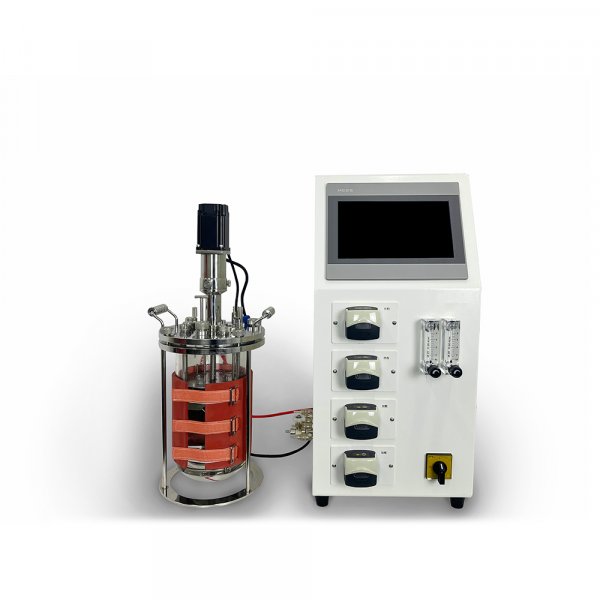
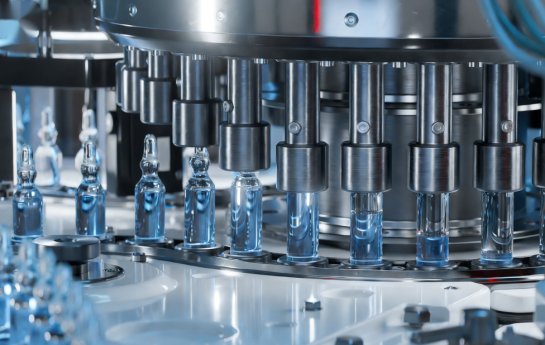
Biopharmaceuticals are medicines prepared using biomanufacturing techniques. Compared with traditional medicines, biopharmaceuticals are characterized by being derived from biological products, highly specific, safer and more effective. Currently, biopharmaceuticals are becoming a focal area of development in the pharmaceutical industry, and injectable biologics have accounted for almost 90% of the entire biopharmaceutical market. The main method used in the manufacturing process of biopharmaceuticals is fermentation technology. Fermentation technology utilizes the metabolic capacity of microorganisms for the conversion and production of organic and inorganic substances. The microorganisms used in biopharmaceuticals are cell culture toxin-producing bacteria, protein-expressing bacteria, and cell culture viruses.
If you have any needs, please fill out the form below and we will contact you as soon as possible.
We use cookies on our website to give you the most relevant experience by remembering your preferences and repeat visits. By clicking “Accept”, you consent to the use of ALL the cookies.