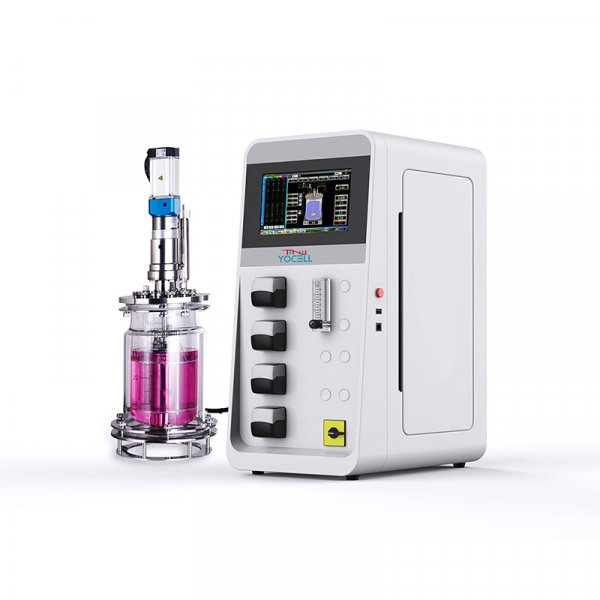
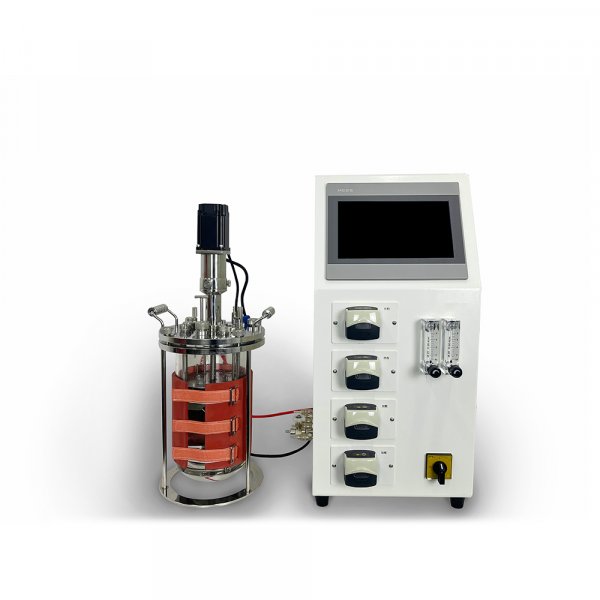
Equipment Introduction
l Utilizing composite membrane elements and high-pressure stainless steel pumps, the single-stage system typically achieves a desalination rate of over 98%, while the double-stage system reaches 98%–99%. It effectively rejects dissolved salts, organics, colloids, bacteria, and pyrogens, ensuring stable water quality to meet the high-purity water demands of industries such as pharmaceuticals, electronics, and chemicals.
l The entire unit features fully automatic control with multiple protections, including automatic shutdown under no-water/low-pressure conditions (protecting the high-pressure pump), liquid level interlock protection between the raw water and pure water tanks (shutdown when full/restart when empty), and automatic RO membrane flushing. It is also equipped with a conductivity meter for continuous monitoring of effluent water quality, reducing manual intervention and fault risks.
l The equipment is constructed with stainless steel, offering an aesthetically pleasing and durable design. It features a compact structure with a small footprint, making installation and operation relatively simple. Additionally, the high-pressure pump operates with low noise and good energy consumption control.
l Since the reverse osmosis separation process involves no phase change, the overall energy consumption is low. It also features high water utilization efficiency and low daily operation and maintenance costs.
l A typical double-stage RO system includes standard modules such as a raw water tank, quartz sand filter, activated carbon filter (for chlorine removal), 5μm precision filter, high-pressure pump, RO membrane system, and pure water tank. Some models can also be subsequently integrated with an EDI device to produce higher-purity ultrapure water.