Exosomes, as naturally occurring nanoparticles encapsulated within a phospholipid bilayer and measuring 30–150 nm in diameter, are rapidly emerging as a focal point in biomedical research due to their pivotal roles in intercellular communication, immune regulation, and disease progression.
Carbon is abundantly present in nature and constitutes one of the essential elements for organic organisms. It serves as the fundamental building block for various complex molecules, such as fats, steroids, hydrocarbons, and organic solvents.
Carbon nanotubes (CNTs), seamless tubular nanomaterials formed by rolling single or multiple layers of graphene sheets, have caused a sensation in the materials science community since their official discovery by Professor Sumio Ijima in 1991, thanks to their extraordinary mechanical, electrical, thermal and chemical properties. Its huge specific surface area and unique nano-scale hollow structure have enabled it to demonstrate remarkable application potential in numerous cutting-edge fields.
In the biopharmaceutical field, traditional mammalian cell culture has long dominated, but it faces challenges such as high costs and long cycles. Chapter 8 "Production of Complex Proteins in Plants: From Farming to Manufacturing" in Biopharmaceutical Manufacturing: Progress, Trends and Challenges reveals a brand-new "green production pathway" — plant cell culture technology. With its unique advantages, it has emerged as a promising candidate for complex protein production.
Antibody-conjugated drugs (ADCs) are novel tumor treatment drugs that possess both precise targeting and efficient killing capabilities. With advantages such as enhanced efficacy and reduced systemic toxicity, they have become a research hotspot. The tangential flow filtration (TFF) technology is widely used in the downstream process of ADC drugs, capable of efficiently removing organic impurities, coupling related impurities, and achieving buffer solution replacement. The ADC recovery rate exceeds 90%. This technology requires optimizing the process by controlling key parameters such as inlet and outlet pressure, flow rate, and pH. The core application lies in antibody concentration and desalination, product purification, and buffer solution replacement of ADC drugs, providing core support for the efficient preparation and stability of ADC drugs. Yocell's tangential flow system, through technological innovation, helps advance anti-tumor treatment towards precision and reliability.
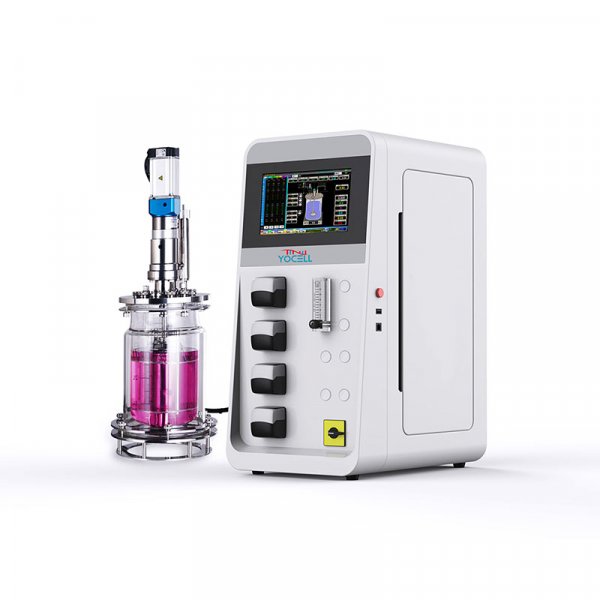
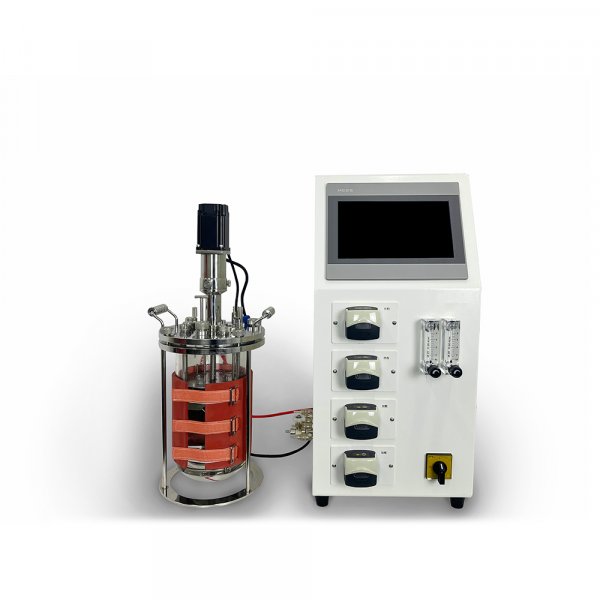
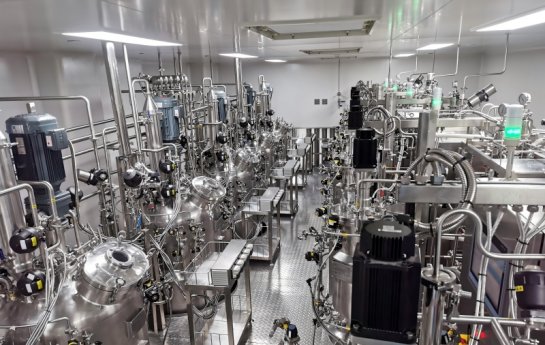
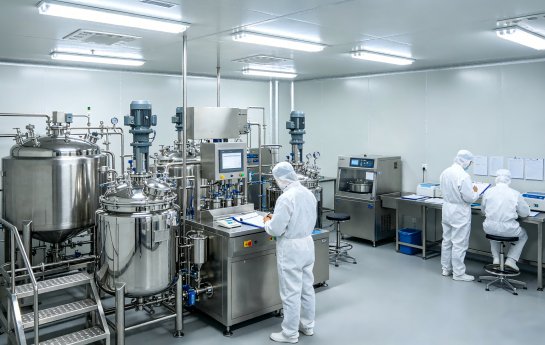
Monoclonal antibody production relies on the long-term stable culture of mammalian cells such as CHO cells and HEK293 cells, which requires high requirements for sterility, parameter stability and contamination prevention and control of the reactor --- GMP stainless steel reactor adopts 316L medical grade stainless steel tank with mirror polishing and double mechanical sealing.
If you have any needs, please fill out the form below and we will contact you as soon as possible.
We use cookies on our website to give you the most relevant experience by remembering your preferences and repeat visits. By clicking “Accept”, you consent to the use of ALL the cookies.