Exosomes, as naturally occurring nanoparticles encapsulated within a phospholipid bilayer and measuring 30–150 nm in diameter, are rapidly emerging as a focal point in biomedical research due to their pivotal roles in intercellular communication, immune regulation, and disease progression. Capable of carrying diverse bioactive molecules including proteins, lipids, and nucleic acids, they demonstrate significant diagnostic and therapeutic value across multiple diseases, particularly tumours, neurodegenerative disorders, and immune-related conditions. As their applications expand—as liquid biopsy biomarkers, precision drug delivery vehicles, and regenerative medicine tools—their clinical potential attracts increasing attention.
Nevertheless, translating exosomes from laboratory to clinical settings remains fraught with significant challenges, including limited large-scale production capacity, inefficient separation and purification, difficulties in ensuring functional consistency, and obstacles related to scalability and regulatory compliance. Consequently, establishing stable, cost-effective, and scalable exosome bioprocessing platforms has become pivotal for advancing their industrialisation and clinical translation. This paper systematically reviews the latest technological advances in large-scale exosome preparation, encompassing optimised cell sourcing, bioreactor cultivation, purification strategies such as tangential flow filtration, alongside critical considerations including standardisation, quality control, and regulatory requirements. It aims to provide comprehensive insights and actionable solutions for charting the industrialisation pathway of exosomes.
Cell Sources and Characteristics of Exosomes
The cellular origin of exosomes largely determines their molecular composition, biological functions, and potential applications in future therapeutic and diagnostic contexts. When developing exosome products, selecting an appropriate cell source impacts both production efficiency and the activity and safety of the final exosome preparation. Common sources currently include stem cells, engineered cell lines, immune cells, and tumour cells, each exhibiting distinct biological characteristics and suitable applications.
Stem cell-derived exosomes represent one of the most actively researched categories, particularly those from mesenchymal stem cells (MSCs) and neural stem cells (NSCs). MSCs can be sourced from tissues such as bone marrow, adipose tissue, and umbilical cord, with different origins exhibiting varying secretion levels and functional characteristics. Under appropriate culture conditions, MSCs continuously release exosomes rich in proteins, lipids, and nucleic acids, finding extensive use in tissue repair, immunomodulation, and anti-inflammatory research. NSCs possess the capacity to differentiate into multiple neural cell types. Their exosomes are rich in neurotrophic molecules, offering unique applications in neurological disorders and injury repair. However, challenges persist in sourcing and scaling their production.
Engineered cell lines, such as HEK293, have become a crucial platform for scalable exosome production due to their rapid proliferation, ease of transfection, and suitability for suspension culture. Within advanced 3D culture systems, HEK293 cells can grow at high densities under low shear conditions, significantly enhancing exosome yield. Although HEK293 exosomes lack the innate therapeutic activity of stem cell-derived exosomes, their structural stability and ease of engineering make them highly suitable as drug delivery vehicles or modified functional exosome production systems.
Exosomes derived from immune cells (such as macrophages, dendritic cells, and fibroblasts) exhibit distinct immunoregulatory characteristics. For instance, macrophage exosomes are closely associated with inflammatory regulation; dendritic cell exosomes are regarded as potential immunotherapeutic tools due to their antigen-presenting capabilities; fibroblast exosomes hold application value in tissue repair and anti-fibrotic therapies. Production yields for these exosomes are typically low, but efficiency can be enhanced by optimising culture conditions or methodologies.
Tumour cell-derived exosomes play pivotal roles in tumourigenesis, invasion, and immune evasion, while also representing highly promising liquid biopsy biomarkers. Three-dimensional (3D) culture better mimics the tumour microenvironment, rendering tumour cell-derived exosomes structurally and functionally closer to their in vivo state. Despite their broad prospects in diagnostics and targeted drug delivery, clinical application requires careful evaluation due to potential risks.
Exosome Production Based on Cell Culture
In the process of large-scale exosome preparation, in vitro cell culture constitutes the most critical step. Given that different cell types secrete exosomes with distinct functional characteristics, production necessitates selecting appropriate cell sources according to application objectives and further optimising their culture conditions to ensure exosome yield, purity, and activity. As industrial demands escalate, traditional 2D culture increasingly struggles to meet requirements for scale and stability, while 3D cell culture systems are emerging as a significant trend in exosome production.
Compared to planar culture, 3D culture more authentically mimics the microenvironment of in vivo tissues. It enables cells to maintain more natural growth morphologies and metabolic states within a three-dimensional structure, thereby significantly enhancing exosome biogenesis, secretion rates, and functional integrity. Such systems provide more balanced nutrient and gas exchange, reduce shear stress-induced stress, and minimise batch-to-batch variability, facilitating the acquisition of more stable and high-quality exosomes. Particularly within bioreactor platforms featuring advanced configuration designs, cells can grow at higher densities under low-stress conditions, further boosting exosome yield and paving the way for large-scale production.
Within 3D culture systems, further optimisation of multiple conditions remains essential to maximise exosome generation efficiency. Common strategies include regulating oxygen concentration, maintaining optimal pH and temperature, refining medium composition to enhance cell viability, and carefully controlling cell density and culture duration to sustain active secretion states. Moreover, given varying sensitivities of different cell types to microenvironments, establishing controllable, reproducible culture protocols is paramount for industrial-scale exosome production.
Beyond cultivation conditions themselves, novel approaches to enhance exosome secretion have emerged in recent years. For instance, genetically engineering secretion pathway-related proteins can boost exosome release capacity. Mechanical, acoustic, or electromagnetic stimulation may also increase exosome yield without significantly compromising cell viability. Furthermore, emerging technologies such as microfluidics and serum-free medium design are accelerating the advancement of exosome production platforms.
Scalable Exosome Purification and Separation Technologies
Within the exosome preparation workflow, separation and purification are critical steps for ensuring functional activity, formulation stability, and clinical application safety. As industrial demand for exosomes continues to rise, there has been a gradual shift from traditional laboratory separation methods towards more efficient, scalable, and controllable process technologies. Among these, tangential flow filtration (TFF) and chromatography technologies are emerging as the most promising and valuable mainstream solutions.
Traditional methods such as differential ultracentrifugation and density gradient centrifugation have persisted for years due to their established operational maturity, yet their limitations are pronounced. Ultracentrifugation at high speeds readily causes structural damage, aggregation, and functional decline in exosomes; while density gradient centrifugation offers high purity, it is time-consuming, yields low recovery rates, and struggles to meet large-scale production demands. Immunological affinity capture achieves high purity and specificity, making it suitable for molecular research, but its cost and recovery limitations hinder its application in bulk exosome preparation.
In contrast, tangential flow filtration (TFF) demonstrates outstanding performance in exosome industrialisation. TFF achieves continuous filtration and concentration through membrane retention, significantly enhancing separation efficiency. It processes large sample volumes under low shear stress, preserving exosome structure and activity. Its scalable nature allows precise control over recovery rates and purity by adjusting parameters such as membrane pore size, transmembrane pressure (TMP), and crossflow rate. For instance, reducing TMP minimises vesicle loss due to membrane compression, while increasing crossflow rate mitigates membrane fouling for sustained operational stability. Furthermore, customisation of membrane materials, flow path configurations, and system setups according to exosome size and application requirements enables TFF to serve as a critical GMP-compliant unit operation.
Following preliminary exosome concentration, chromatography serves as the core method for further purification, enhancing formulation purity and homogeneity. Size exclusion chromatography (SEC) effectively separates exosomes from free proteins and small-molecule impurities based on particle size. By adjusting parameters such as resin type, column height, flow rate, and injection volume, peak resolution and recovery rates can be significantly enhanced, resulting in a more concentrated particle size distribution and reduced impurities. Additionally, ion exchange chromatography (IEX) and affinity chromatography modes are gaining attention, enabling further selectivity based on exosome surface charge characteristics or specific markers. This forms a ‘multi-step cascade’ strategy for high-purity separation.
For large-scale production, the combined TFF + chromatography approach is regarded as the most industrially viable process route: TFF enables continuous concentration and buffer exchange, while chromatography facilitates deep purification. This dual approach offers high recovery rates, strong controllability, and excellent scalability, meeting the stringent requirements for developing exosome-based therapeutics, diagnostic formulations, and functional ingredients.
Quality Control and Regulatory Requirements for Exosomes
The rapid advancement of exosome therapies underscores the critical importance of stringent quality control and standardised production. Purity, structural integrity, and functional activity form the core of exosome quality assessment. Commonly employed techniques include dynamic light scattering (DLS), nanoparticle tracking analysis (NTA), and transmission electron microscopy (TEM) to characterise particle size, uniformity, and morphological features. Concurrently, markers such as CD9, CD63, and TSG101 are detected to confirm their identity. Functional validation, such as proteomics, RNA analysis, and cellular function assays, can determine whether the biological activity of exosomes is preserved during purification.
However, under current technical conditions, exosome preparation still faces significant challenges: the separation process is prone to co-isolation of cellular debris, lipoproteins, or other extracellular vesicles; efficiency differences between various separation methods also affect sample consistency; Furthermore, the inherent heterogeneity of exosomes makes batch-to-batch variation unavoidable, whilst enhancing purity often compromises biological activity. Variations in instrument performance, inconsistent operational techniques, and the absence of universally accepted threshold standards further impede research reproducibility and industrialisation.
To address these issues, regulatory bodies and academic organisations globally are advancing the establishment of exosome standardisation frameworks. The US FDA classifies exosomes as biological products, requiring Investigational New Drug (IND) submissions for clinical applications and strict adherence to Good Manufacturing Practice (GMP). Systematic assessments are mandated for identity, purity, potency, sterility, and production consistency. To date, no exosome product has received market approval, with multiple warning letters issued to regulate unauthorised injectable products. The European Union classifies exosomes as either biological products or Advanced Therapy Medicinal Products (ATMPs) based on their composition and function, implementing stricter CMC, mechanism of action (MOA), and gene transfer risk assessments under Regulation (EC) No 1394/2007. The internationally influential MISEV2023 guidelines, though non-mandatory, propose the most comprehensive characterisation framework. This includes combined detection of positive/negative markers, non-vesicular protein identification, and reporting metadata via platforms such as EV-TRACK to advance the implementation of FAIR (Findable, Accessible, Interoperable, Reusable) data principles.
Within the Asia-Pacific region, Japan's PMDA and South Korea's MFDS have incorporated exosomes into their biological product regulations, establishing quality standards aligned with ISEV recommendations. Overall, unified quality standards, cross-regional regulatory coordination, and standardised production processes will be pivotal in advancing exosome therapies towards clinical application and industrialisation.
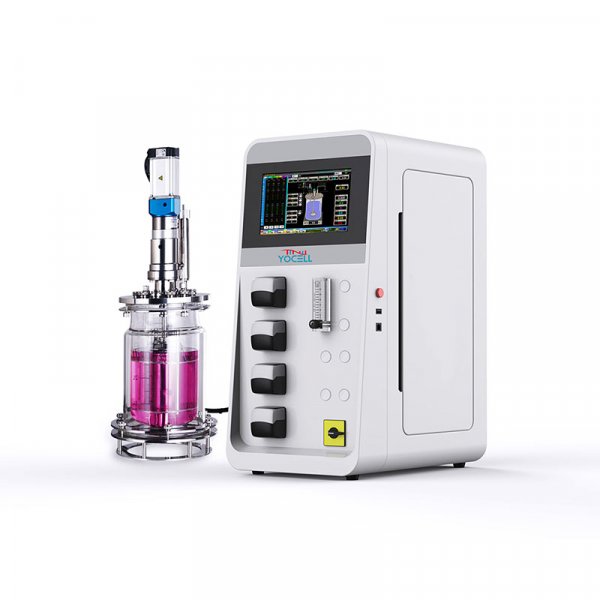
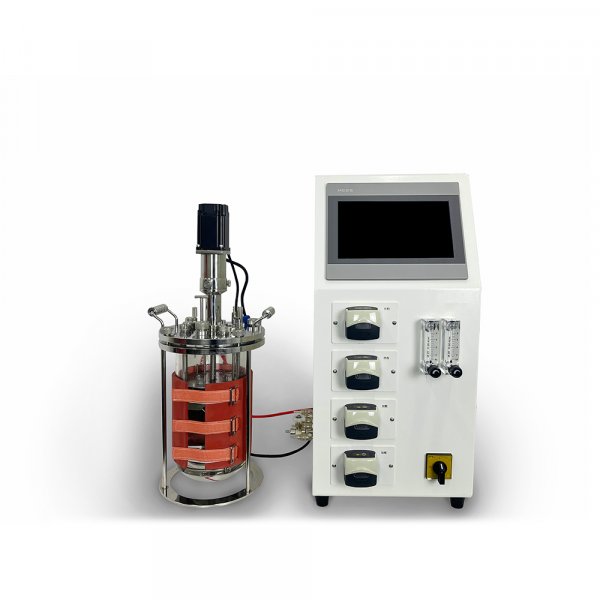
Yocell leverages its comprehensive bioprocessing platform to deliver end-to-end technical support for industrial-scale exosome production. Its advanced bioreactor systems accommodate both fully suspended and microcarrier-based adherent cultures, flexibly supporting diverse exosome production cells including MSCs and HEK293, ensuring stable high yields throughout scale-up. For downstream purification, Yocell offers multiple tangential flow filtration (TFF) solutions encompassing flat-sheet membrane packs, hollow-fibre modules, and single-use TFF pathways. These are suitable for critical steps including clarification, concentration, and buffer exchange. Concurrently, the complementary chromatography technology system encompasses anion/cation exchange, gel filtration, and composite mode media, enabling the establishment of efficient, scalable purification workflows tailored to exosomes from diverse sources. By integrating upstream amplification and downstream purification, Yocell empowers users to construct GMP-compliant industrial exosome preparation solutions.