Protein purification is a process that separates and purifies target proteins from complex mixtures by taking advantage of the differences in their physical and chemical properties. Its core objective is to obtain high-purity and highly active protein products, and it is a cornerstone technology in biological research and the biotechnology industry.
We are pleased to announce that our new refrigerated fraction collector for protein purification systems has officially started mass shipment, delivering to customers worldwide and bringing professional refrigerated fraction collection solutions for protein purification.
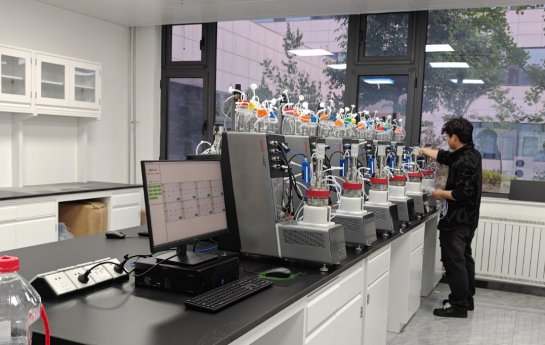
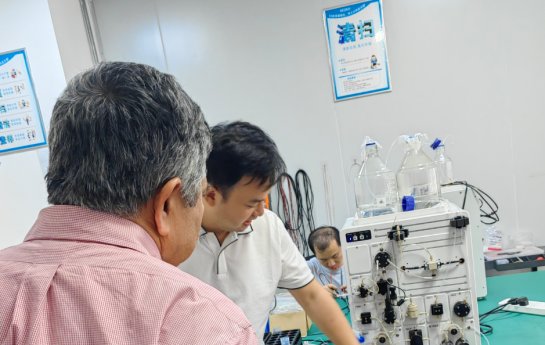
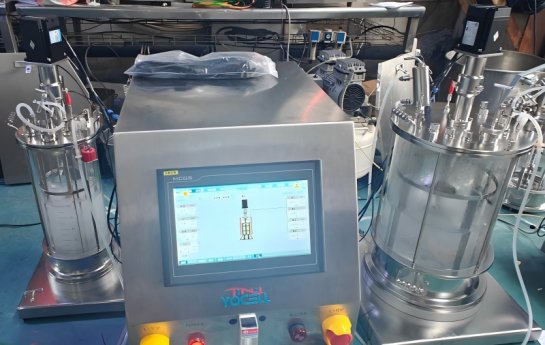
Recently, Yocell provided a professional on-site training on parallel bioreactors and protein purification chromatography system for our partners, and we look forward to deepening our win-win cooperation.
Extracellular polysaccharides found on the outermost layer of bacteria, such as capsular polysaccharides or micro capsular polysaccharides, are key virulence factors responsible for invasive bacterial infections. They also serve as the primary antigenic components in vaccines designed to prevent and control such infections.
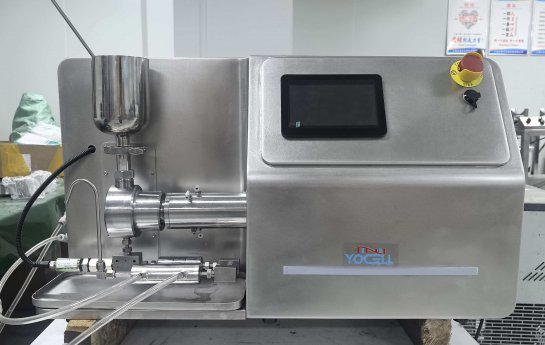
Since the discovery of liposomes in the 1960s, lipid nanoparticles (LNPs) have evolved into a mainstream drug delivery platform, playing a crucial role especially in COVID-19 mRNA vaccines and nucleic acid therapies, enabling the stable and efficient delivery of therapeutic drugs into cells. To achieve large-scale and high-quality production of LNPs, microfluidic technology is used for the preparation of LNP-mRNA formulations, while tangential flow filtration (TFF) is the core unit operation for subsequent purification, buffer exchange, and impurity removal. We can provide TFF solutions suitable for mRNA-LNP production, covering various filtration forms such as hollow fibers and flat-sheet membrane cassettes, combined with gentle pumps and optimized process parameters, balancing product integrity and production compliance, and supporting the full-process needs from process development to commercial production.
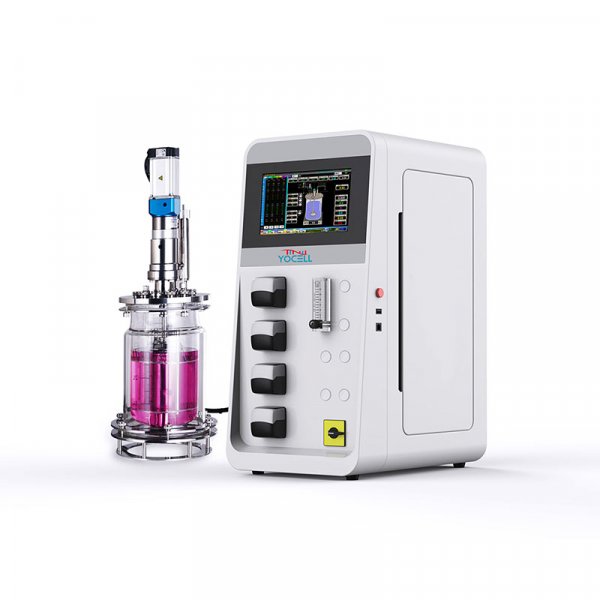
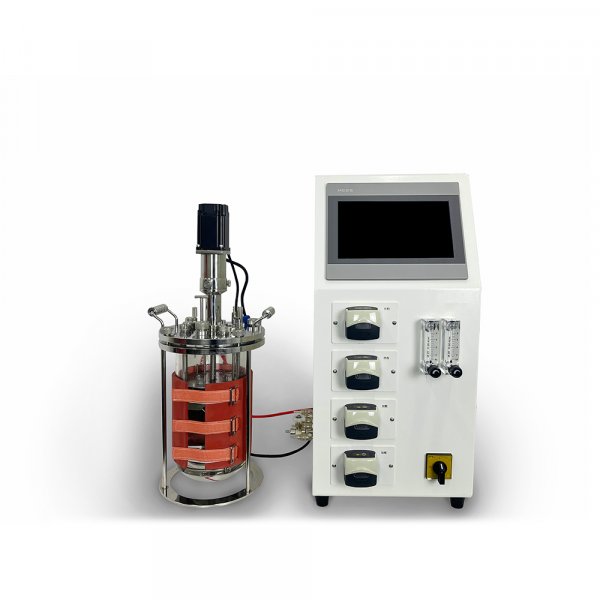
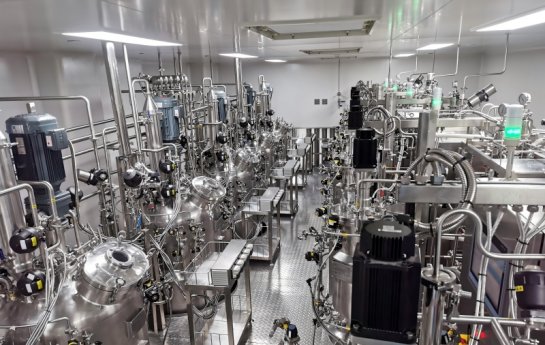
A common challenge in the bioengineering industry is: we have an excellent strain with high expression level, but the performance is far from satisfactory after scale-up cultivation. A practical check of the fermentation process reveal that the wrong type of bioreactor has been selected. This article introduces the characteristics and application scenarios of six common bioreactors to help you determine how to choose a suitable one.
If you have any needs, please fill out the form below and we will contact you as soon as possible.
We use cookies on our website to give you the most relevant experience by remembering your preferences and repeat visits. By clicking “Accept”, you consent to the use of ALL the cookies.