In the biopharmaceutical field, traditional mammalian cell culture has long dominated, but it faces challenges such as high costs and long cycles. Chapter 8 "Production of Complex Proteins in Plants: From Farming to Manufacturing" in Biopharmaceutical Manufacturing: Progress, Trends and Challenges reveals a brand-new "green production pathway" — plant cell culture technology. With its unique advantages, it has emerged as a promising candidate for complex protein production.
I. Plant Cell Culture: More Than "Growing Crops" — Precise Drug Production
When it comes to producing drugs from plants, you may think of extracting artemisinin from Artemisia annua. However, the plant cell culture technology introduced in this chapter has long broken the limitations of "traditional planting": it involves the large-scale cultivation of plant cells (rather than intact plants) in a controlled laboratory environment to directionally produce target proteins. The core advantages of this technology directly address the pain points of traditional pharmaceutical production:
Significant Cost Advantage: Plant cell culture does not require expensive animal serum, the medium composition is simple, and the culture equipment is reusable. The overall production cost is only 1/5 to 1/3 of that of mammalian cell culture, greatly lowering the sky-high price barrier for biopharmaceuticals.
Higher Safety: Due to the large evolutionary gap between plants and humans, plants do not carry human pathogenic pathogens such as hepatitis B virus or retroviruses, eliminating the risk of "viral contamination" at the source — a key reason why regulatory authorities favor this technology.
Compatibility with Complex Proteins: Plant cells possess a complete eukaryotic protein modification system (e.g., glycosylation, phosphorylation), enabling correct folding of complex proteins such as antibodies, enzymes, and vaccines to ensure their biological activity. For example, monoclonal antibodies used in cancer treatment exhibit almost identical activity when expressed in tobacco cells compared to those produced by mammalian cells.
II. From "Cells" to "Drugs": Full-Process Breakthroughs in Plant Culture
Plant cell culture is not simply "cultivating cells" but a complete system from laboratory to factory. This chapter details the technological breakthroughs in its key links:
1. Cell Line Selection: Choosing the Right "Seed" Is Half the Battle
Not all plant cells are suitable for drug production. Scientists need to screen cell lines that are "high-yield, stable, and easy to culture":
Priority to High Yield: Through genetic engineering modification, plant cells are made to "focus on targeted production". For instance, introducing antibody genes into tobacco BY-2 cells enables them to specifically secrete target antibodies, with yields reaching 1-5 grams per liter of medium — comparable to some CHO cell lines.
Stability as a Key Factor: Some plant cells may "lose" their drug-producing ability during long-term passage. Researchers optimize medium components (e.g., adding plant hormones) to maintain stable yields of cells for 6 consecutive months of culture.
2. Large-Scale Cultivation: From Shake Flasks to "Factory-Scale" Bioreactors
Translating laboratory bench-scale success into ton-level production relies on technological innovations in bioreactors:
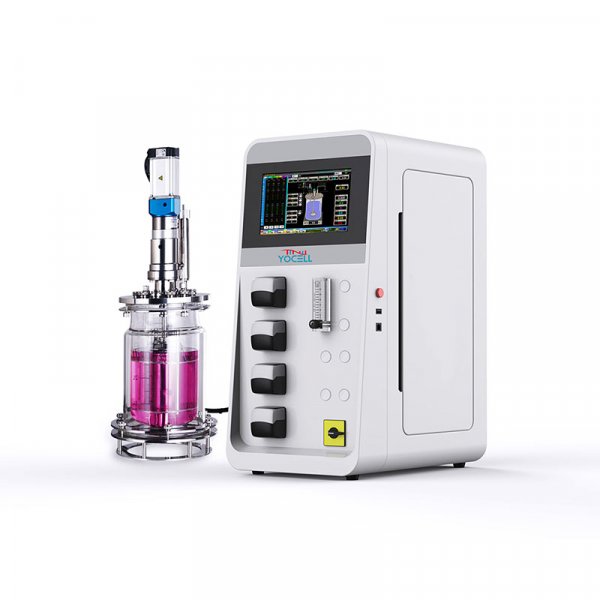
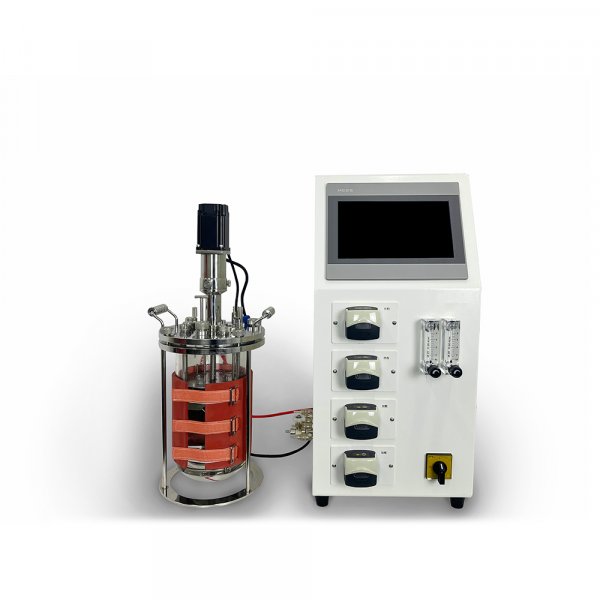
Stirred-Tank Bioreactors: Traditional stirred tanks tend to damage fragile plant cells. By improving impellers (e.g., using marine impellers) and controlling stirring speed (50-100 rpm), researchers have achieved a cell density of 10^7 cells per milliliter in 1000L-scale reactors.
Immobilized Culture Systems: Attaching plant cells to porous carriers (e.g., alginate microspheres) prevents cell aggregation and enhances nutrient absorption efficiency.
Breakthroughs in Light-Controlled Culture: Some plant cells require light induction for drug production (e.g., Taxus cells producing paclitaxel). New reactors integrate LED light sources to precisely control light intensity and cycles, enabling cells to "produce drugs on demand".
3. Downstream Purification: Overcoming the Challenge of "Plant-Specific Impurities"
Plant cell culture supernatants contain plant-specific impurities such as phenolic compounds and cell wall fragments, posing challenges to purification. This chapter proposes targeted solutions:
Pretreatment Optimization: Adding polyvinylpyrrolidone (PVP) to adsorb phenolic compounds reduces their interference with subsequent purification; combining depth filtration and microfiltration efficiently removes cell debris, achieving a clarity of 99.9%.
Innovations in Chromatographic Purification: Using hydrophobic interaction chromatography (HIC) to remove hydrophobic impurities, followed by ion exchange chromatography (IEX) for precise separation of target proteins. The final product purity can exceed 99.5%, meeting FDA standards.
Cost Control: The "one-step capture" technology (e.g., using Protein A affinity resin for antibody purification) reduces the number of purification steps from 5 to 3, shortening time by 40% and lowering costs by 25%.
III. Industrialization: Opportunities and Challenges Coexist
Despite its prominent advantages, plant cell culture still needs to overcome several hurdles to replace traditional technologies on a large scale:
1. Technological Bottlenecks: The Gap from "Laboratory" to "Factory"
Slow Cell Growth: The doubling time of plant cells is usually 24-48 hours, 2-3 times that of CHO cells, leading to long production cycles. Researchers have improved the growth rate of some cells by 20% through gene editing to optimize metabolic pathways.
Stability in Large-Scale Cultivation: In reactors larger than 5000L, issues such as uneven nutrient distribution and dissolved oxygen gradients are prone to occur. CFD (Computational Fluid Dynamics) simulation is used to optimize reactor structure, ensuring stability in large-scale culture.
2. Policy and Market: Need for More "Votes of Confidence"
Unified Regulatory Standards Needed: Currently, there are no globally unified regulatory guidelines for plant cell culture products. Some enterprises remain cautious due to concerns about approval risks. However, the EU has classified plant cell culture products as "advanced therapy medicinal products", which is expected to promote the implementation of standards.
Improved Market Awareness: Doctors and patients have concerns about the safety of "plant-derived drugs". In 2023, a plant-derived antibody drug passed Phase III clinical trials, proving its efficacy and safety are consistent with traditional products, breaking the ice for market acceptance.
3. Successful Cases: Illuminated "Industrialization Pathways"
Vaccine Production: Novartis uses tobacco cell culture to produce influenza vaccines, with a production capacity of 100 million doses in 2022. The production cycle is shortened from 6 months (traditional method) to 6 weeks, playing a key role in epidemic prevention and control.
Enzyme Production: A biotech company produces recombinant human lysozyme using carrot cells for the treatment of eye infections. The cost is 50% lower than that of microbial fermentation, and the product has been launched in Europe.
With technological iteration, plant cell culture will embrace three major development directions:
Upgrade of "Precision Modification": Using CRISPR-Cas9 gene editing to optimize the protein modification system of plant cells, making antibodies produced more similar to human proteins and reducing immunogenicity risks.
"Multi-Product Compatibility": Developing universal plant cell lines that can quickly switch between producing antibodies, enzymes, vaccines, and other products to meet the new biopharmaceutical demand for "small batches and multiple varieties".
Yocell has established a comprehensive production platform supply system covering cell line establishment, bioreactor cultivation, and downstream purification, further shortening production cycles while offering a cost-effective solution.